![[object Object]](https://umsousercontent.com/lib_lphGCikIbVHjRWIV/w8mzrofmgaa9b3om.png?w=52)
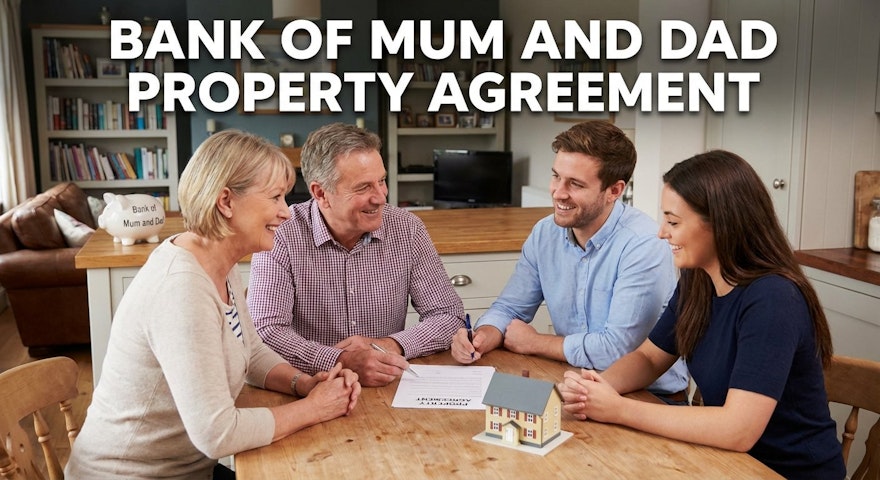
If you've been to a Saturday inspection in Brunswick, queued for a five minute walk through in Preston, then watched a decent townhouse jump another $80,000 at auction, you already know why the 'bank of mum and dad' exists. Lots of Melbourne buyers can service a loan, but getting the deposit together (and paying stamp duty and moving costs on top) is the part that hurts.
Parents step in because they want to help. No big drama. The tension starts later, when everyone realises the help was never properly defined.
Was it a gift? A loan? A 'we'll sort it out later' arrangement? What happens if your child's relationship ends, if they refinance, if they sell earlier than planned, or if you need the money back for your own retirement?
A bank of mum and dad property agreement is really just a clear, written plan that answers those questions while everyone still likes each other. Done well, it protects relationships as much as it protects money.
What Counts as the 'Bank of Mum and Dad' in Victoria?
In Melbourne conveyancing, it usually shows up in one of four ways:
- Cash gift towards the deposit (sometimes called an early inheritance)
- Family loan (with or without interest)
- Guarantee on part of the child's home loan (your property is used as security)
- Parents on title (co buying, or buying a share)
Each path can work. Each path can also create a mess if it's informal.
The big tip: treat it like you're dealing with a stranger, not your kid. Same warmth, same trust, just written down properly.
The Victorian Timing Trap: Auction Pressure and the 'No Going Back' Feeling
A lot of family arrangements get rushed because the purchase gets rushed.
In Victoria, buying at auction means there's generally no cooling off period, and the contract becomes binding straight away. If your family money is still a 'maybe' on auction day, you're taking a bigger gamble than you think.
Even with private sale, the cooling off rules have exceptions, and auction style campaigns can push buyers into signing before they've lined everything up.
So if parents are helping, it's worth getting the paperwork and the bank conversations happening early, not the night before you sign.
Start With the Awkward Question: Is It a Gift or a Loan?
This is where most families quietly go wrong. They speak in half sentences:
'It's just to help you get started.' 'Pay us back when you can.' 'We don't need it, but…'
If a couple later separates, the court often looks hard at what was really intended, and the presence (or absence) of documents and repayments matters a lot.
A practical way to decide:
- If no one expects repayment, call it a gift, document it as a gift, and move on.
- If repayment is expected, even if it's 'only when the house is sold', treat it as a loan and write it like a loan.
Trying to keep it vague rarely protects anyone.
Option 1: A Straightforward Gift (And the Quiet Things People Miss)
A cash gift can be the cleanest option, especially when parents are comfortable financially and don't want an ongoing tie to the property.
Still, there are a few things to think about:
A Lender Will Usually Want a 'Gift Letter'
If your child has a home loan, the bank may ask for a signed statement that the money is a gift and not repayable. Banks want to know there isn't a hidden debt sitting behind the mortgage.
If you really intend it to be a loan, don't sign something that says it's a gift. It can cause serious problems later.
Gift Versus Transfer of Property Are Not the Same Thing
A cash gift to help with a deposit is one thing. Putting Mum or Dad on title, or transferring a share of a property to a child, is another, and duty consequences can apply when ownership changes.
Put Some Guardrails Around It Anyway
Even with gifts, families often set expectations in writing, like:
- what the money is for (deposit, stamp duty, renovations)
- what happens if the purchase doesn't go ahead
- what happens if the property is sold within a short period
- whether the parents expect to be kept informed about refinancing or selling
That sort of 'family letter' isn't about enforcement. It's about avoiding memory fights later.
Option 2: The Family Loan (The Classic Melbourne Set Up)
This is the most common arrangement we see: parents advance money, and everyone intends repayment at some point, just not right now.
A well drafted loan agreement makes the deal feel calmer, not colder, because it removes the guesswork.
What a Good Family Loan Agreement Usually Includes
The basics:
- the loan amount and when it's advanced
- what it can be used for (deposit, costs, price balance)
- whether it's interest free or interest bearing
- how repayments work (regular payments, lump sum on sale, or a mix)
Triggers:
This is the part people forget. Triggers answer, 'When do we have to deal with this?'
Common triggers include:
- sale of the property
- refinance or drawing equity
- a set date (even a long one)
- relationship breakdown
- default events, like missed repayments
Clarity on interest:
Some families charge no interest to keep it simple. Some charge interest so it's fair to siblings, or to reflect that parents are giving up their own investment returns.
If interest is charged, it's generally income and needs to be treated seriously for tax record keeping.
Costs:
Who pays legal costs? Who pays registration fees if security is taken? It's worth stating upfront.
Security: Do Parents Want Protection on the Title?
This is where Victorian property law steps in.
If parents are lending a large amount, they often want some security, especially if their child is buying with a partner, or the loan is intended to be repaid when the place is sold.
Two common mechanisms are:
- Caveat
- Second mortgage (less common, more complex)
A caveat is a notice on title that signals someone else may have an interest in the property. It can be useful, but it's not a magic shield. You need a proper interest to support it, and lodging the wrong caveat can backfire.
A second mortgage can offer stronger protection, but it often needs cooperation from the first mortgagee in Victoria's electronic lodgement system, and it can create friction with the bank loan.
In plain terms: security is possible, yet it needs to be planned alongside the home loan, not slapped on afterwards.
A Real Life Example
Picture a first home buyer couple buying an off the plan apartment near the CBD. Mum and Dad advance $120,000 so they can exchange contracts. Two years later, the relationship ends and the property is sold. If there's no written loan, no repayment history, and no security, the parents can be left arguing about what was 'meant' while everyone is already stressed.
A simple loan agreement, signed early, changes that conversation.
Option 3: Guaranteeing the Home Loan (Helpful, But High Risk)
Guarantees are popular because they can let a buyer avoid LMI or buy sooner with a smaller deposit. The trade off is risk.
If you guarantee a loan, you can become responsible for the debt if the borrower can't pay. That risk can extend to your home if it's used as security.
A few practical points families often overlook:
- A guarantee can reduce your own borrowing capacity
- It can make it harder to refinance your own loans
- It can place strain on relationships, especially if money gets tight
- You'll want clear conditions about when the guarantee comes off (for example, once the loan to value ratio improves)
If you're considering a guarantee, it's worth getting your own independent advice, even if it feels a bit formal. It's your asset on the line.
Option 4: Parents on Title (Co Ownership Needs Extra Care)
Sometimes the 'agreement' is that parents will buy a share of the property, and their name goes on title. This can work well, especially where:
- parents want their contribution recognised as equity
- siblings want transparency about who received what
- parents plan to live in a granny flat arrangement later
Yet co ownership changes the whole picture. You're not just helping with a deposit, you're now part owner, with all the duties and risks that brings.
In Victoria, a co ownership arrangement should sit alongside a co ownership agreement that covers issues like:
- who pays rates, insurance, maintenance, body corporate fees
- what happens if one party wants to sell and the other doesn't
- what happens if the property needs renovations
- how disputes are handled
- who benefits from capital growth
It's also worth checking how co ownership affects any grant or concession your child hopes to use.
Don't Forget the Contract Side: Section 32 and the Real Costs of the Property
A bank of mum and dad agreement is only half the story. The other half is making sure the purchase itself is sound.
In Victoria, the seller must give the buyer a Section 32 statement (vendor's statement) before the contract is signed. It includes key disclosures about the title and property details.
If your parents are putting real money in, it's sensible for them to care about what's in that paperwork too, because it affects risk and resale.
This is where a conveyancer review before you sign can save a lot of grief, especially in fast moving campaigns where you've only got a short window between inspection and signing.
The Family Situations That Catch People Out
Here are the 'we didn't see that coming' moments we see again and again in Melbourne.
'We Thought It Was a Loan, But We Never Wrote It Down'
When life is calm, everyone remembers the same story. When life gets messy, memories change.
Courts and banks tend to put more weight on what's written and what's been done (like repayments) than what people say they intended.
'We Didn't Tell the Bank'
If your child has a lender, hiding a family loan can create issues. Banks assess servicing based on debts, and family loans can matter. If you later try to secure the loan with a mortgage or caveat, it can also complicate refinancing.
The safest approach is openness, then structuring the arrangement in a way the bank can live with.
'The Partner Is Lovely… Until They're Not'
No one wants to plan for separation, especially when you're celebrating a new home. Still, if parents are advancing a large amount and the child is buying with a spouse or partner, it's worth thinking through what you'd want if things changed.
A written loan, clear repayment triggers, and appropriate security are common ways families protect that contribution.
'Mum and Dad Needed the Money Back Sooner Than Expected'
Retirement plans change. Health changes. Caring costs show up.
If you might need the funds back, don't build an arrangement that only repays on sale "one day". Make a timetable that suits real life, even if the repayments are small.
What to Include in a Bank of Mum and Dad Agreement
Every family is different, yet most solid agreements cover the same core points.
For a Gift Arrangement
- confirmation it's a gift and not repayable
- what the money is for
- what happens if the purchase doesn't proceed
- whether there are any family expectations (kept informal, but clear)
For a Loan Agreement
- loan amount and date
- interest (yes or no) and how it's calculated
- repayment plan and triggers
- what happens on sale, refinance, separation, death
- whether security will be taken (caveat or mortgage)
- responsibilities for fees and legal costs
- acknowledgements about independent advice
For Guarantees
- the maximum amount guaranteed
- conditions for release of the guarantee
- what information parents receive about the loan during the guarantee period
- a clear understanding of the worst case scenario (so no one is surprised later)
For Co Ownership
- ownership shares (often tenants in common)
- who pays what and when
- decision making rules
- what triggers a sale
- what happens if one party can't pay
- buy out rights and valuation method
It may sound like a lot. In practice, it's often a few pages that save years of stress.
A Calm Way to Raise It at Home
Families sometimes avoid the paperwork because it feels awkward. One line we've seen work well is:
'Let's put something in writing so everyone knows what we agreed, and no one has to feel uncomfortable later.'
If you frame it as relationship protection, not mistrust, most people breathe out.
The Simple Melbourne Checklist Before You Sign a Contract
If you're about to buy (or about to help someone buy), aim to have these boxes ticked before the pen hits paper:
- You've confirmed whether the help is a gift, loan, guarantee, or ownership share
- Your child's lender knows what it needs to know
- If it's a loan, you've documented repayment triggers, not just "when you can"
- If security is planned, it's been discussed early so it doesn't collide with the home loan
- The Section 32 and contract have been reviewed, especially if the campaign is moving fast and auction pressure is building
None of this removes the excitement of buying a home. It just makes the help you're giving feel safer.
Ready to Set It Up Properly?
If your family is using the bank of mum and dad to buy in Melbourne, we can help you get the agreement right and make sure it fits the contract, the finance, and the reality of Victorian conveyancing.
Contact Pearson Chambers Conveyancing for guidance and a complimentary Section 32 contract review:
Email: contact@pearsonchambers.com.au