![[object Object]](https://umsousercontent.com/lib_lphGCikIbVHjRWIV/w8mzrofmgaa9b3om.png?w=52)
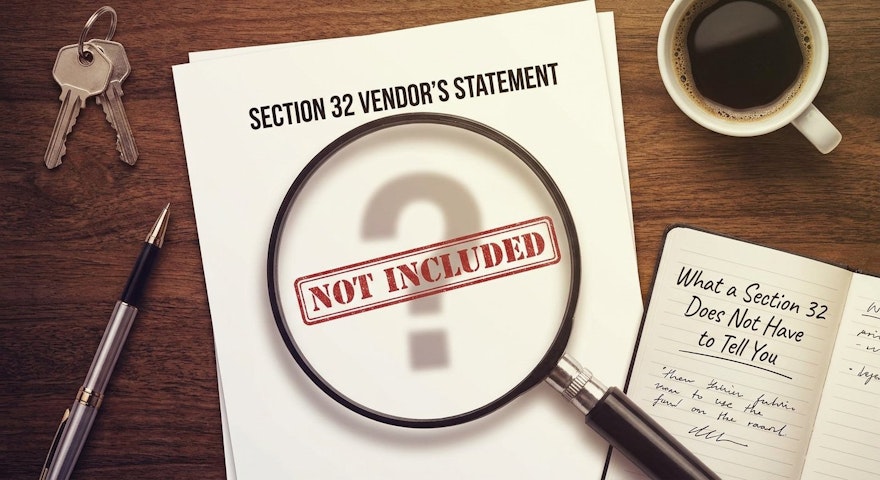
A Section 32 vendor statement, under sections 32A to 32I of the Sale of Land Act 1962 (Vic), discloses legal and title matters such as mortgages, rates, easements, covenants, planning information, owners corporation details, recent building permits and title documents. It does not promise that the building is sound. Victoria still places much of the risk for physical condition on the buyer, while section 12(d) stops a vendor or agent from knowingly concealing a material fact, and section 32K gives a buyer a limited right to rescind before settlement if the statement is wrong or incomplete.
That last point matters. The easiest time to find a problem is before you sign. The easiest time to walk away is before settlement.
What does a Section 32 actually tell you?
A Section 32 is a legal disclosure document, not a building report. Its job is to tell you key facts about the land before you commit, so you're not buying blind.
The required disclosures are set by the Sale of Land Act. The exact documents vary with the property, but the usual categories are:
- financial matters, including rates, taxes, outgoings, mortgages and charges
- insurance details where required, such as owner builder or off the plan matters
- land use information, including easements, covenants, restrictions, zoning, overlays and bushfire prone status
- notices, orders and proposals from public authorities that affect the land
- building permits issued in the last seven years
- owners corporation certificates and records, for apartments, units and townhouses
- services not connected, such as electricity, gas, water, sewerage or telephone
- title documents, including the register search statement and plan
Put simply, the Section 32 speaks to the legal position of the property. It tells you what is on title, what public records say, what restrictions may apply and what authority certificates disclose. If you want a fuller walk through of what a Section 32 vendor statement contains, it helps to read it beside the contract, not as a stand alone bundle.
What it does not do is certify that the stumps are solid, the roof is dry, the wiring is safe or the renovation was done neatly.
What does a Section 32 not have to tell you?
A Section 32 does not have to disclose every physical problem with the home. A tidy statement can sit beside a property with leaks, damp, cracking, termites or ageing services.
That surprises Melbourne buyers, especially after a busy Saturday of inspections in suburbs where homes move quickly. You might read a statement that looks clean, then later discover sloping floors, water marks under fresh paint or a roof that only shows its true mood during heavy rain.
Some matters usually sit outside the Section 32 itself:
- visible defects that a reasonable inspection could pick up
- ordinary issues with the neighbourhood, such as traffic noise or nearby tenants
- unknown defects the vendor and agent genuinely do not know about
- older building work that falls outside the recent permit disclosure period
- quality issues in renovations that are not shown in certificates or public records
A crack in a wall, for example, may be something you can see at inspection. The deeper cause, such as movement in the subfloor, might need a qualified inspector. The Section 32 is not designed to do that detective work for you.
Is Victoria just buyer beware?
Victoria is partly buyer beware, but not a free pass for silence. Buyers still need to investigate physical condition, but vendors and agents must not knowingly hide material facts.
Since 1 March 2020, section 12(d) of the Sale of Land Act has made it an offence for a vendor or agent to knowingly conceal a material fact about land for sale with the intention of inducing a buyer to buy. The wording matters because it targets known facts, not every possible defect that might exist.
A material fact is something that would influence a buyer's decision to buy, or the price they would pay. Examples can include a known structural defect, combustible cladding, asbestos, termite infestation, contamination, flood or bushfire history, building work done without required approval, or a serious crime connected with the property. We've explained how material facts work in more detail for buyers who want to understand that separate duty.
There are two key limits. The vendor or agent must know the fact, so the law does not usually require them to investigate every unknown risk for you. And if you ask a direct question, they must not answer it dishonestly. That is why written questions matter.
What should you check yourself before signing?
You should check the building, the pests, the title, the planning and the contract before you sign. Once you sign unconditionally, your room to move can shrink fast.
Start with your own independent building and pest inspection. A building inspection can flag visible structural concerns, damp, roof issues, safety risks and signs that specialist checks may be needed. A pest inspection looks for termites and other timber pests. Be careful with reports handed over by an agent or seller, because the safest report is the one commissioned for you.
Then review the Section 32 and contract with your conveyancer. You want to know whether the title matches the property being sold, whether there are easements in awkward places, whether an owners corporation has levies or rules, whether overlays may affect renovation plans, and whether the contract needs extra conditions.
The Consumer Affairs Victoria due diligence checklist is a useful prompt for risks such as flood, fire, contamination, boundaries, owners corporation records and services. Treat it as a checklist, not a safety net.
In our practice, we've seen this come up most often when a buyer falls in love with a townhouse at a weekend inspection, reads a clean Section 32, then skips the building inspection to look quicker than competing bidders. The paperwork can be fine while the subfloor, drainage or roof still needs money.
Before signing, ask specific questions in writing, such as:
- Have there been roof leaks, flooding or drainage issues?
- Has any building work been done without permits or final approval?
- Are there known termite, mould, damp or structural issues?
- Have any insurance claims been made for building damage?
- Are there current disputes, levies or major works in the owners corporation?
Written questions do two useful things. They make it clearer what matters to you, and they give you a record if the answer later turns out to be false.
When can a buyer rescind if the Section 32 is wrong?
A buyer may have a right to rescind under section 32K if the Section 32 is missing required information, contains false information or was not given before signing. That right is strongest before settlement.
Timing is the trap. Section 32K rights do not last forever. Once settlement completes and you accept title, that clean statutory exit is generally gone. After that, your options are usually harder and more expensive, such as a claim for misrepresentation, deceit or misleading conduct.
Even before settlement, rescission is not automatic for every small mistake. A court can refuse rescission where the vendor acted honestly and reasonably and the buyer is substantially no worse off. That means a minor typo is not the same as a missing owners corporation certificate, a wrong title document or a serious omitted disclosure.
This is why buyers should send the Section 32 for review before signing. After the deposit is paid and the auction excitement has passed, the best card may already have left your hand.
Why a clean Section 32 is not enough
A clean Section 32 only means the disclosed legal paperwork does not raise an obvious issue. It does not mean the property is good value, structurally sound or low risk.
Think of the Section 32 as one part of your buying checks. Your conveyancer checks the legal documents. Your building and pest inspectors check the physical condition. Your lender checks finance. You check whether the property suits your life, budget and plans.
For Melbourne buyers, that might mean asking whether a Brunswick apartment has cladding concerns, whether an inner east period home has heritage restrictions, whether a bayside townhouse has owners corporation works coming, or whether a fringe block has all services connected. None of those questions should wait until the week before settlement.
Frequently Asked Questions
What does a Section 32 not cover?
A Section 32 does not cover the physical condition of the home. It discloses legal and title matters such as mortgages, rates, easements, covenants, planning information, owners corporation records and recent building permits under sections 32A to 32I of the Sale of Land Act 1962 (Vic). It will not tell you that the roof leaks, the stumps are failing or the wiring needs work.
Does a vendor have to tell you about problems with the house in Victoria?
A vendor generally does not have to volunteer ordinary defects that a buyer could discover by inspection. They must not knowingly conceal a material fact under section 12(d) of the Sale of Land Act, such as a known structural defect, asbestos, combustible cladding, termite issue or flood history. The duty depends on what the vendor or agent knows.
Is buying property in Victoria buyer beware?
Yes, for much of the home's physical condition, Victoria still places the inspection risk on the buyer. That buyer beware rule is limited by laws against knowingly concealing material facts and by rules requiring a proper Section 32 vendor statement before signing. Buyers should use both legal review and building checks before committing.
What is a material fact a seller must disclose?
A material fact is a known fact that would affect a buyer's decision to buy the property or the price they would pay. Examples may include known structural defects, asbestos, combustible cladding, termite damage, contamination, illegal building work, flood or bushfire history, or a serious crime linked to the property. If the vendor or agent knows about it, they must not conceal it to induce a sale.
Can I pull out after settlement if the Section 32 was wrong?
It is much harder to pull out after settlement. The rescission right under section 32K generally must be used before the buyer accepts title at settlement. After settlement, a buyer may need to look at claims such as misrepresentation or misleading conduct, which can involve harder proof and legal costs.
Do I need a building inspection if the Section 32 looks clean?
Yes. A clean Section 32 tells you about legal and title disclosures, not whether the building is sound. Your own building and pest inspection is the practical way to check for defects, termites, damp, roof issues and signs of unapproved or poor quality work before you sign.
Who checks the Section 32 for me?
A conveyancer or property lawyer checks the Section 32 and contract for legal risks before you sign. They can flag missing certificates, title problems, owners corporation issues, unusual contract terms, planning concerns and questions that should be put to the vendor in writing. Pearson Chambers Conveyancing offers a complimentary Section 32 contract review for Melbourne buyers.
About the Pearson Chambers Conveyancing team
Pearson Chambers Conveyancing is a Melbourne focused conveyancing firm working with first home buyers, sellers and property investors across Victoria. Our team reviews Section 32 vendor statements, contracts and settlement documents for buyers who want plain English guidance before they commit. Knowing what a Section 32 leaves out, and what needs a separate inspection or written question, is part of what the PC team handles every day.
Sources we consulted
- Sale of Land Act 1962 (Vic)
- Due diligence checklist for home and residential property buyers
- Inspect properties before you buy
- Preparing to sell your property
- Conveyancing and contracts for sellers
Talk to us before you sign
If you're about to sign a contract and want to know what your Section 32 is not telling you, send it to Pearson Chambers Conveyancing for a complimentary Section 32 contract review. We'll help you understand what is disclosed, what is missing from the document, and what questions or inspections may be worth raising before you commit.
Email contact@pearsonchambers.com.au.
General information only, current as at the date of publication. Victorian conveyancing rules and legislation change frequently. Please contact the Pearson Chambers Conveyancing team for advice on your specific contract.